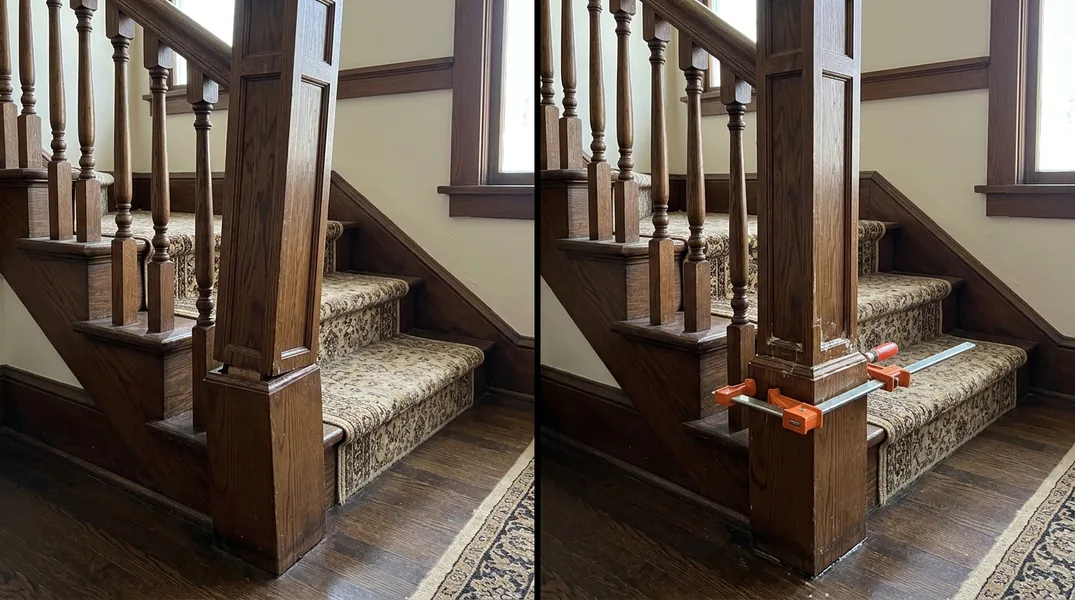
The Sacramento Valley Clay Problem: Why Your Foundation Moves
If you live in Sacramento, you've probably noticed something odd about your home. Doors that used to close smoothly now jam halfway. Floors that felt level five years ago now have a subtle slope. Windows that opened easily now stick. These aren't signs of poor construction or normal aging. They're symptoms of foundation movement caused by the Sacramento Valley's unique clay soil.
The Central Valley, where Sacramento sits, is built on highly expansive clay soils. These soils have a remarkable property: they swell dramatically when wet and shrink significantly when dry. During California's wet winters, clay beneath your foundation absorbs moisture and expands. During the dry summers, it loses that moisture and contracts. This annual cycle of expansion and contraction creates subtle but persistent movement in your home's foundation, and that movement gets transmitted directly to your doors, windows, and floors.
How Seasonal Soil Movement Causes Doors to Stick
A sticking door is one of the first signs homeowners notice when their foundation begins to shift. When clay soil expands beneath your home's foundation, it pushes upward unevenly. Different parts of your foundation rise at different rates depending on soil composition, drainage patterns, and moisture levels. This differential movement causes the framing of your doorways to shift out of square. A door frame that was perfectly plumb in summer may be tilted slightly by winter, and vice versa.
The problem compounds when you consider that doors are precision mechanisms. A door needs just a few millimeters of clearance to swing freely. When your foundation moves even a quarter inch, that clearance can disappear. The top of the door frame may rise while the bottom stays put, creating a bind. Or one side of the frame might shift outward while the other doesn't, causing the door to rub against the jamb. Homeowners often try to solve this by planing down the door or adjusting hinges, but these are band-aid solutions. If your foundation is moving, fixing the door won't stop the movement from happening again.
Uneven Floors and Sloping: A Symptom of Foundation Settlement
Uneven floors are perhaps the most unsettling sign of foundation movement. Homeowners often describe the sensation of walking across their living room and feeling the floor slope slightly, or noticing that a marble rolls across the floor without being pushed. This happens because your home's structural beams and joists are attached to the foundation. When the foundation moves, the beams move with it. If one section of foundation settles more than another, the beam attached to it sags, and the floor above slopes toward the low point.
Unlike a door that sticks intermittently, an uneven floor is a persistent problem that worsens over time. The good news is that most minor foundation movement doesn't cause catastrophic failure. But it does cause progressive damage to your home's structure. If the slope is severe enough, you may need Floor Joist & Subfloor Repair to prevent water damage, pest infiltration, or structural stress. The longer you wait, the more expensive the repair becomes. Early intervention is always cheaper than waiting for the problem to worsen.
Why Clay Soil Moves More Than Other Soil Types
Not all soils behave the same way. Sandy soils drain quickly and don't swell much when wet. Loamy soils are relatively stable. But clay soils are different. Clay particles are microscopically small, which means they have an enormous surface area. Water molecules are attracted to these particles with surprising force. When clay absorbs water, the water molecules create a thin film around each particle, and the clay expands. When that water evaporates, the clay shrinks back down. The expansion and contraction can be significant, especially in soils with high clay content.
The Sacramento Valley's clay soils are particularly problematic because they're not just clay. They're montmorillonite clay, a type of clay mineral that swells more than most other clay types. This is why foundation movement is so common in the Sacramento area. Your neighbors probably experience the same sticking doors and sloping floors. If you talk to contractors throughout the region, they'll tell you that foundation movement is one of the most frequent calls they receive. Understanding this helps you understand that your foundation problems aren't unique to your home, and they're not necessarily caused by poor construction. They're caused by living in an area with naturally expansive soil.
Foundation Movement and Structural Damage: When to Call a Professional
Not all foundation movement requires immediate repair. Small movements, measured in fractions of an inch per year, are normal in the Sacramento Valley. Homes here are built with this in all in mind. But there's a threshold beyond which movement becomes dangerous. If you notice doors that won't close at all, floors that slope noticeably, cracks in your drywall that keep getting wider, or visible gaps between your walls and foundation, it's time to call a professional.
A structural assessment from an experienced carpenter can determine whether your foundation movement is within normal ranges or whether you need intervention. Sometimes the issue isn't the foundation itself but rather the consequences of foundation movement. If your foundation is moving and putting stress on your wooden beams and joists, you may develop Wood Rot & Dry Rot Repair issues as cracks allow water infiltration. You might also develop problems with your floor structure that require Floor Joist & Subfloor Repair. These secondary damage issues can be more expensive to fix than the foundation movement itself, which is why early detection matters.
What You Can Do: Drainage, Maintenance, and Professional Repair
While you can't change the soil beneath your home, you can manage how much moisture that soil absorbs. Proper drainage is the single most important thing you can do to minimize foundation movement. Make sure your gutters are clean and directing water away from your foundation. Ensure that the ground slopes away from your home so that water runs off rather than pooling near the foundation. If you have landscaping against your home, water it carefully and avoid creating wet spots near the foundation. In dry summers, consider soaking the soil around your foundation to keep it from shrinking excessively. These steps won't eliminate foundation movement, but they can reduce its severity.
If your foundation is already moving and causing structural issues, professional repair may be necessary. Sacramento Carpentry has years of experience dealing with foundation-related problems in the Sacramento area. We can assess your specific situation and recommend appropriate solutions, whether that's installing foundation piers to stabilize movement, replacing damaged structural members, or addressing secondary damage like wood rot. The cost of professional assessment is far less than the cost of ignoring the problem. Contact Sacramento Carpentry at (916) 244-4930 or request a free estimate to have your home evaluated. We serve the greater Sacramento area and can help you understand what's happening beneath your home and what needs to be done about it.
Looking for a professional carpentry contractor in Sacramento? Sacramento Carpentry responds fast for all your carpentry needs.
Get a Free QuoteOur services: Wood Rot & Dry Rot Repair · Termite Damage Repair · Floor Joist & Subfloor Repair