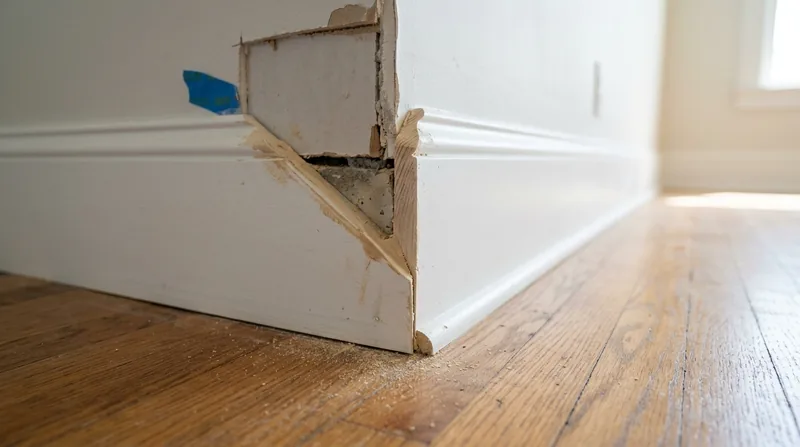




Sacramento's residential neighborhoods, from the Victorian homes of Alkali Flat to the Craftsman bungalows of Curtis Park and the postwar ranch homes of Tahoe Park, each carry distinctive architectural character defined partly by their trim and molding. Crown molding and baseboard installation in Sacramento requires understanding both the fine details of period-appropriate profiles and the practical demands of Sacramento's dry summers and wet winters, which can cause wood to cup, shrink, and shift seasonally. Whether you are restoring the original coped crown in a 1920s bungalow or installing clean, modern baseboards in a newer Natomas home, the work demands precision joinery, tight caulk lines, and materials chosen to move with the local climate. We install crown molding, baseboards, chair rail, and window trim with the same attention to joint integrity and finish detail that we bring to structural carpentry. Our carpenters handle each profile from layout through final caulk, ensuring that joints are tight, corners are coped rather than mitered where detail matters, and transitions read seamlessly across the room.
Why Crown Molding and Baseboard Installation Matters in Sacramento Homes
Trim and molding are not merely decorative. In Sacramento's older homes, baseboards protect drywall and plaster from moisture wicking up from crawl spaces, and they conceal the transition between finished wall and subfloor where seasonal movement occurs. Crown molding frames ceilings and hides gaps that form as framing settles and wood moves with humidity swings. In Curtis Park Craftsmiths and Boulevard Park Tudors, the original trim profiles are often period-specific and contribute significantly to the home's character and resale value. In newer slab-on-grade homes in Natomas and Folsom, crisp, modern baseboards and crown set the visual tone of the whole interior. Poorly installed or gapped trim detracts from the finish, invites dust accumulation, and can allow moisture or pests to find edges where they shouldn't.
- We measure and cut each piece to fit the actual wall and ceiling plane, accounting for out-of-square corners common in older Sacramento homes.
- We cope inside corners rather than miter them, which keeps joints tight as wood moves with seasonal humidity changes.
- We caulk and finish all joints with clean lines that accept stain or paint without telegraphing gaps beneath.
- We match or complement existing trim profiles in heritage homes, or propose modern profiles suited to the home's style and budget.
Getting crown and baseboard right the first time adds years of clean appearance and protects the wall and floor junction from moisture and dust infiltration.
Key info: In Sacramento's older neighborhoods like Curtis Park and East Sacramento, original trim is often Douglas fir or redwood milled to profiles no longer made. We can source matching material and replicate profiles to blend new sections with original trim, preserving period authenticity and home value.
For detailed guidance on trim specifications and permit thresholds, homeowners can contact the City of Sacramento Development Services office, which oversees building code compliance for residential work.
How We Install Crown Molding and Baseboards in Sacramento Homes
Crown molding and baseboard installation begins with accurate measurement and layout. We identify walls that are plumb and level, note deviations, and plan joint locations to minimize visible seams. We cut baseboards to sit flat on the floor even where the subfloor is uneven, and we back-cut or scribe crown molding to sit tight against ceilings that slope or meet walls at angles other than 90 degrees. Each coped joint is cut by hand or with a coping saw, test-fit, and adjusted until the profile sits flush. We use finish nails, screws, or adhesive depending on the substrate and profile, and we fill all fastener holes and joints with appropriate filler before sanding and finishing.
- We start by locating studs and ceiling joists to anchor fasteners into solid wood, not just drywall.
- We measure from corner to corner, accounting for any out-of-plumb walls or non-square corners by test-fitting pieces before final cuts.
- We cope inside corners by cutting the profile of one piece to fit over the face of the other, creating a tight joint that doesn't open as wood moves.
- We sand all joints smooth, fill fastener holes and gaps with paintable caulk or wood filler, and sand again before the homeowner applies finish.
The result is trim that sits tight, reads clean, and moves with the home's seasonal wood movement without opening gaps or creating shadow lines.
Local example: A Curtis Park bungalow with original 3.5-inch Douglas fir crown and 8-inch baseboard required removal of existing trim damaged by a roof leak and reinstallation of matching profile throughout the living and dining rooms. We sourced reclaimed Douglas fir milling, coped all inside corners by hand, and finished with period-appropriate stain and lacquer. The owner preserved the home's 1920s character and detail continuity.
Related work such as finish and trim carpentry often accompanies crown and baseboard installation, including window casing, door jamb wrapping, and wall paneling or wainscoting.
Crown Molding and Baseboard Installation Methods
| Approach | Description | Best for |
|---|---|---|
| Coped inside corners | Cut the profile of one piece to fit over the face of the other, creating a profile-to-profile fit that does not open as wood moves. | All interior corners in homes where trim quality and durability matter; standard practice in older, higher-value homes. |
| Mitered corners | 45-degree angle cuts on both pieces, meeting at the corner. Requires careful fit and filler or caulk to hide gaps. | Painted trim in newer homes where budget is tight; corners that will be caulked and painted, not stained. |
| Scribing and back-cutting | Cutting the back of molding or baseboard to follow an irregular wall or ceiling line, ensuring a tight fit without shimming or gaps. | Plaster walls in older homes, ceilings that slope or are out of level, walls that are out of plumb. |
| Adhesive and fastener combination | Using construction adhesive and finish nails or screws to secure trim, reducing fastener visibility and holding power across seasonal wood movement. | All modern installations; provides superior hold and allows smaller fastener holes and less filler. |
Crown Molding and Baseboard Installation Cost in Sacramento: What to Expect
Crown molding and baseboard installation in Sacramento typically starts at $450 for a single room with straightforward geometry and standard profiles. The cost rises with room size, profile complexity, the number of inside corners, and the finish level required. A Curtis Park bungalow living room with original trim to match, out-of-plumb walls, and coped corners will cost more than a Natomas ranch home with square walls and simple modern profiles. Removing existing trim, repairing wall or ceiling damage beneath, and custom milling to match historical profiles all add to the scope and cost. We recommend getting two to three estimates from local carpenters, so you can compare not just price but approach, material sourcing, and finish quality.
Factors that affect the final cost include the linear footage of trim, the number of inside and outside corners, whether existing trim must be removed, the profile selected, the material (paint-grade pine, stain-grade hardwood, or specialty milling), and any wall or ceiling repair work needed before installation. A detailed on-site estimate accounts for all of these and gives you a firm number before work begins. Visit our pricing page for more detail on how we structure estimates and what different job sizes typically run.
What to Look for When Hiring a Carpentry Contractor Near Me in Sacramento
Choosing a carpenter for crown molding and baseboard installation near Sacramento comes down to experience, references, and honest communication about what the job requires. Look for a contractor who will visit your home in person, measure carefully, explain the approach (coped vs. mitered, for example), and discuss material choices and finish options. Ask for references from recent jobs and contact at least two homeowners to ask about the quality of joints, the cleanliness of caulk lines, and how the trim has held up over time. Confirm that the contractor is fully insured and ask to see proof of coverage. For jobs involving removal of existing trim or structural changes, confirm whether a permit is required by contacting your local building department, and hire a contractor willing to pull permits and work with inspectors if needed.
- Verify that the carpenter has experience with the style of your home, whether period restoration or modern new construction.
- Request a written estimate that breaks down materials, labor, and any additional costs like removal or repair.
- Ask whether the estimate includes finishing (sanding, caulking, and prep for paint or stain) or if that is separate.
- Confirm the timeline and whether the contractor will protect your home during the work and clean up thoroughly.
- If your home is in an HOA community or a historic district, ask whether the contractor is familiar with those approval processes.
Getting the details right upfront prevents misunderstandings and ensures that the finished trim meets your expectations. Contact us for a free, no-obligation estimate and to discuss your specific trim and molding needs.
Crown Molding & Baseboard Installation in Sacramento: Pricing Guide
| Service | Price | Details |
|---|---|---|
| Single room, standard profile, no removal | Starting at $450 | Baseboards and crown molding installation in one room with square walls and simple inside corners, paint-grade material included |
| Multiple rooms or complex geometry | Starting at $800 | Two or more rooms, out-of-plumb walls, coped inside corners, or hardwood material requiring stain-grade finish preparation |
| Existing trim removal and reinstallation | Starting at $600 | Careful removal of original or existing trim, repair of walls or ceilings beneath, and installation of new material to match or complement |
| Custom or period milling and matching | On estimate | Sourcing specialty mill work to match original trim profiles in older homes or custom profiles for unique design requirements |
| Travel and estimate | Free | No charge for on-site visit, measurement, and written estimate within 24 hours in Sacramento and surrounding areas |
Indicative pricing, the exact cost depends on square footage, finish, and site access. Free personalized estimate within 24h at (916) 244-4930.


