Carpenter in Sacramento, CA: Wood Rot, Structure & Finish Work
Sacramento Carpentry is a local residential carpentry shop serving homeowners searching for a carpenter near me in Sacramento and throughout the surrounding area, including Elk Grove, Citrus Heights, Folsom, and Rancho Cordova. We handle the full span of carpentry work: wood rot and dry rot repair, termite and insect damage repair, structural carpentry, and finish carpentry with custom built-ins and trim. The same carpenters who estimate your job do the work, and we know the building stock here: the Victorian and Craftsman homes of Alkali Flat, Boulevard Park, and Curtis Park; the brick pier and crawl space foundations that run through older neighborhoods; and the postwar ranch and newer slab-on-grade homes across the Valley.
Sacramento sits on the flat Valley floor with expansive clay soils that shift with the region's dry summers and wet winters. That climate, combined with a century of settling in the older stock, creates predictable wood failures: rot at sills and fascia where water collects, termite damage discovered after a pest inspection, and floors that have gone soft or noticeably out of level. We read these pathologies carefully, propose repair when the wood justifies it, and price the work honestly. Call (916) 244-4930 or request a free wood rot inspection to discuss what you are seeing.
Why Wood Fails in Sacramento, and How We Read It
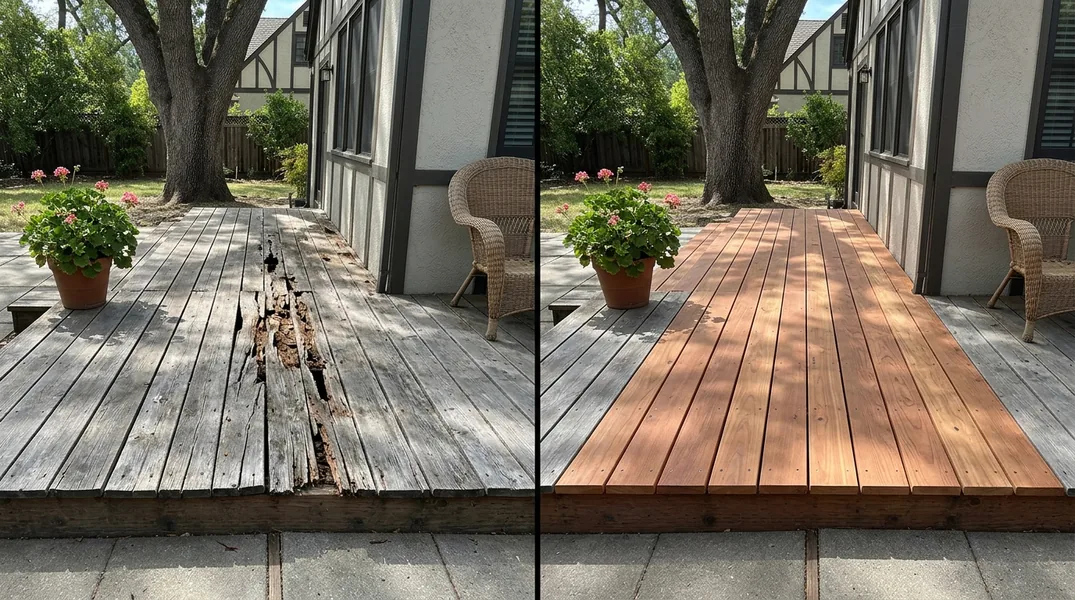
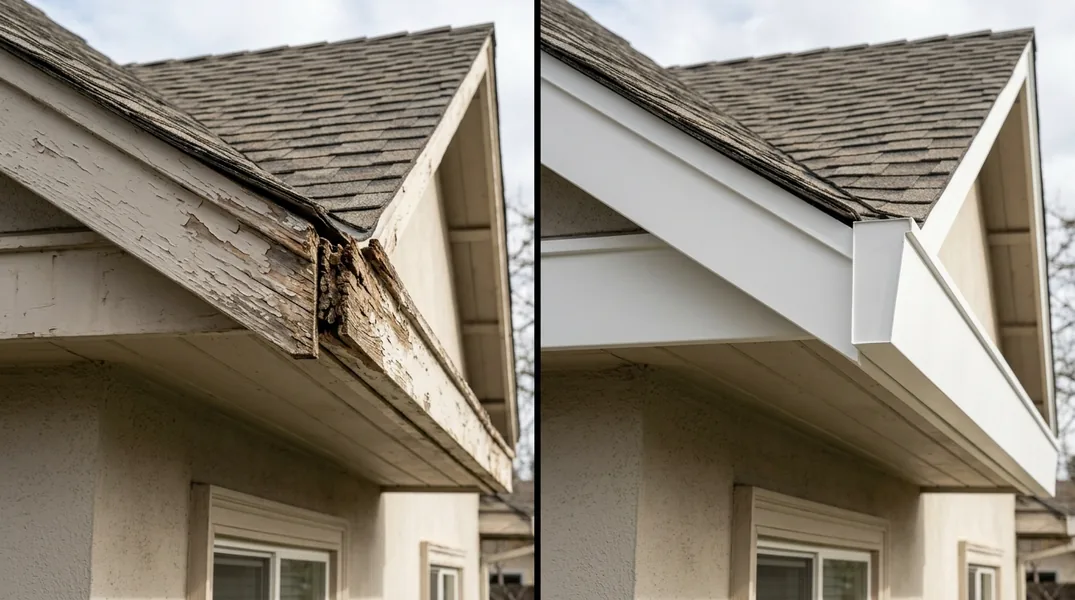
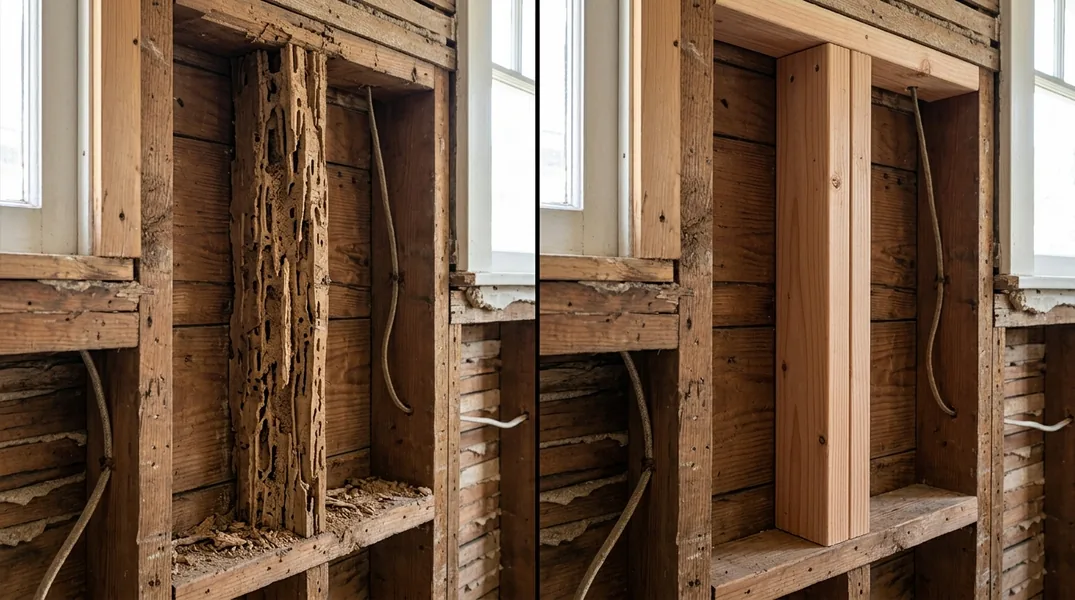
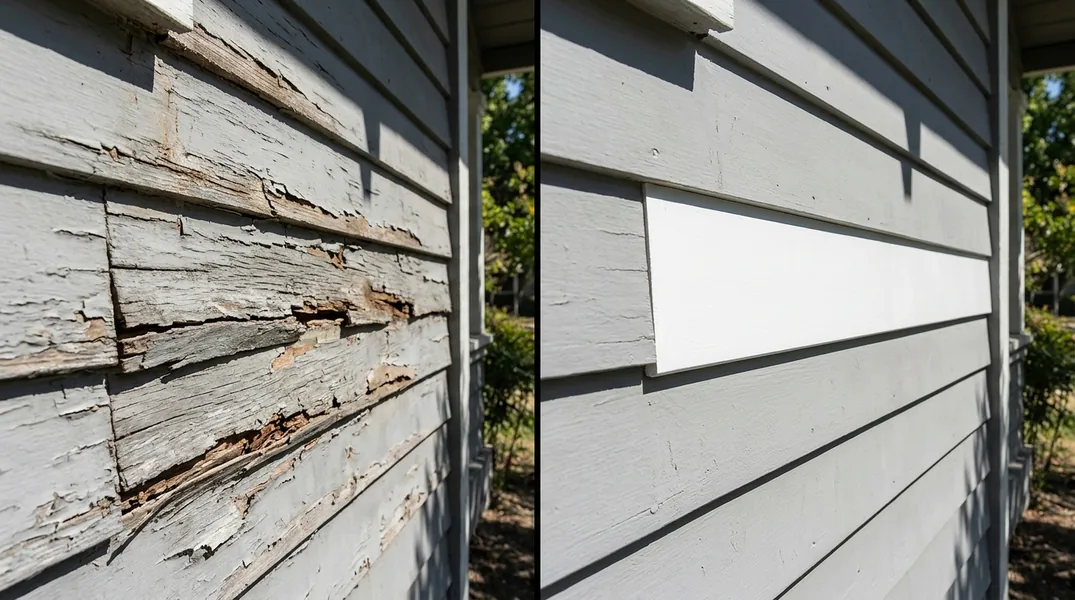
Wood fails in Sacramento for three distinct reasons, each requiring a different diagnosis. Dry rot is a fungus that needs sustained moisture, not standing water. The local climate supplies that: winter rains soak into fascia, sills, and deck frames, and the wood dries slowly enough that fungal decay colonizes it. The paint film often looks sound while the wood beneath has lost its structure. Wet rot occurs at sills, window thresholds, and deck ledgers where water actually sits and pools, breaking down the wood fibers. Termite and beetle damage hollows members from the inside while the surface paint remains intact. A pest inspection report will tell you what is present; our job is to repair or replace the damaged wood that results.
We assess each failure by probing to find where sound wood begins, checking the framing behind the visible surface, and tracing the water path that fed the decay. A member with cosmetic surface decay over a sound core can be cut out and rebuilt with new wood, preserving the structure. A member that has lost significant section gets replaced. But here is the critical point: if the water source is not closed, the repair fails again. Filler over rot is not a repair. We quote the wood replacement and the water mitigation together, because one without the other is money wasted.
On termite and beetle damage, we work from your own pest inspection report. We repair and replace the wood they have damaged. We do not treat, fumigate, or perform pest control, which is a separate regulated trade. If you have received a pest inspection showing damage, bring that report when you call. We will assess the structural impact and quote the carpentry work needed. Call (916) 244-4930 to discuss what your inspection found, or request a free wood rot inspection if you have not yet had one.
Structural Carpentry in Sacramento: Joists, Beams and Settling
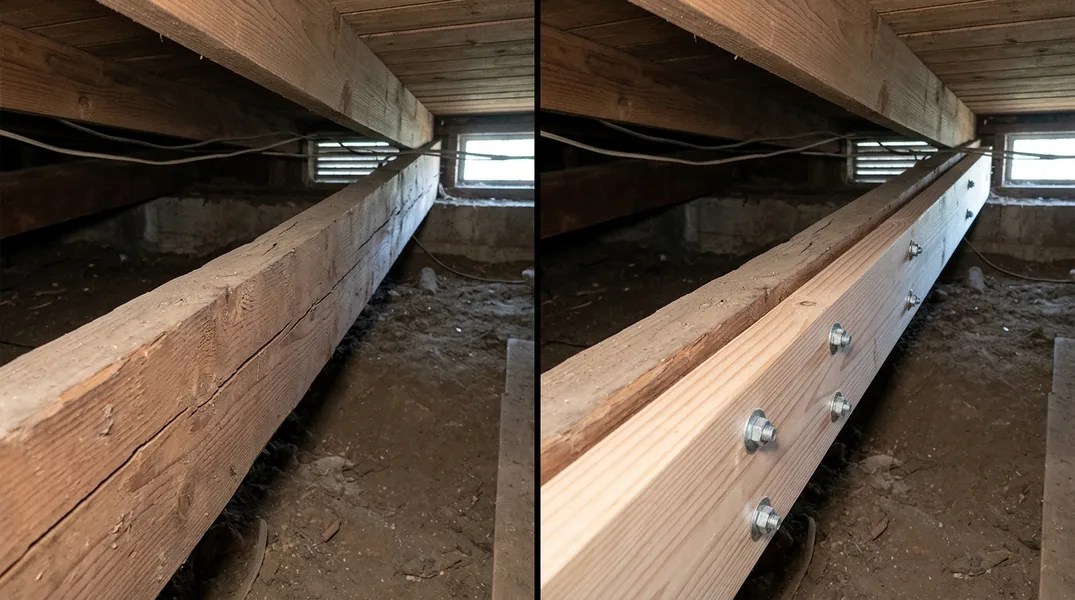
Floor joist and subfloor repair is common in the older homes here. A floor joist that is sound but undersized can be sistered, meaning a new member is bolted alongside it to share the load. A joist that has lost section to rot or insect damage must be replaced, often in sections. The subfloor above is addressed the same way: cosmetic decay gets cut out and patched; structural loss gets replaced. Sill plates and rim joists that have rotted or been damaged can be rebuilt in place or replaced in sections, depending on how much sound bearing length remains. The key question is always whether the member is still doing its job where it matters, and whether the water source can be closed so the repair lasts.
Sacramento has a century of settled houses, and sloping floors and sticking doors are usually the normal condition of an old building rather than a sign of active failure. What matters is whether something is still moving and how the structural members are doing where they carry load. Beam replacement and load-bearing wall removal are more involved. Beam sizing and load-bearing alterations commonly require engineered drawings from a licensed structural engineer and a permit from the local building department. We build to those drawings. We do not produce them, and we do not offer structural engineering services. When a job calls for that, we will tell you plainly and help you connect with an engineer before we bid the carpentry.
Finish Carpentry and Built-Ins in Sacramento Homes
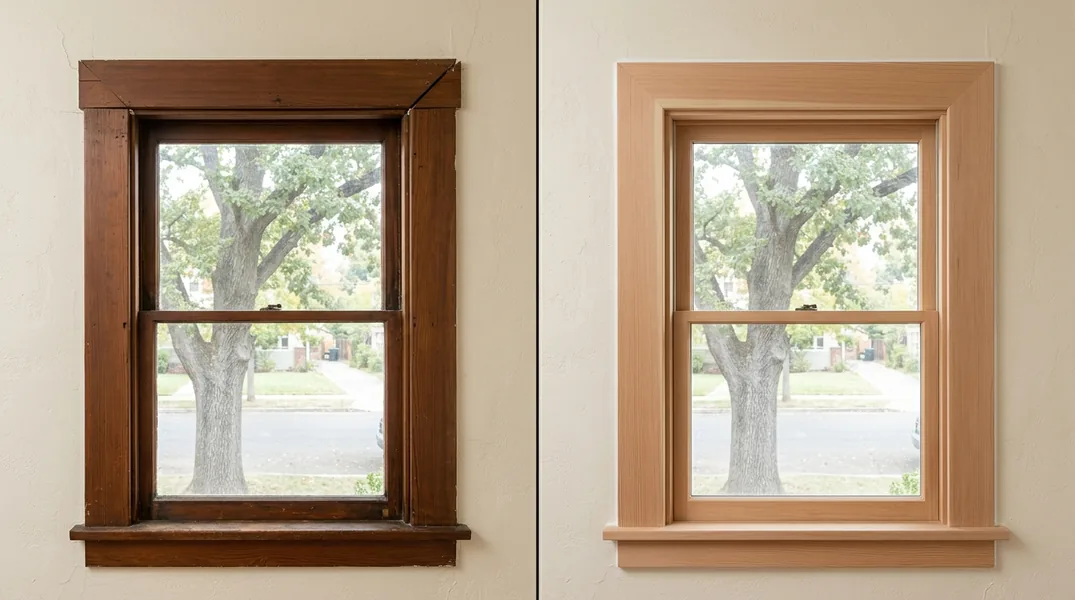
Finish carpentry in Sacramento's older homes requires care and craft. Casing and baseboard run through bay windows, compact floor plans, and out-of-square openings that are the signature of a century-old building. Crown molding and wainscoting are installed with coped joints instead of caulked corners, and profiles are matched to existing millwork rather than replaced with something new. Custom built-ins and shelving are scribed to walls that are neither flat nor plumb, with consistent reveals that make the work look intentional rather than forced.
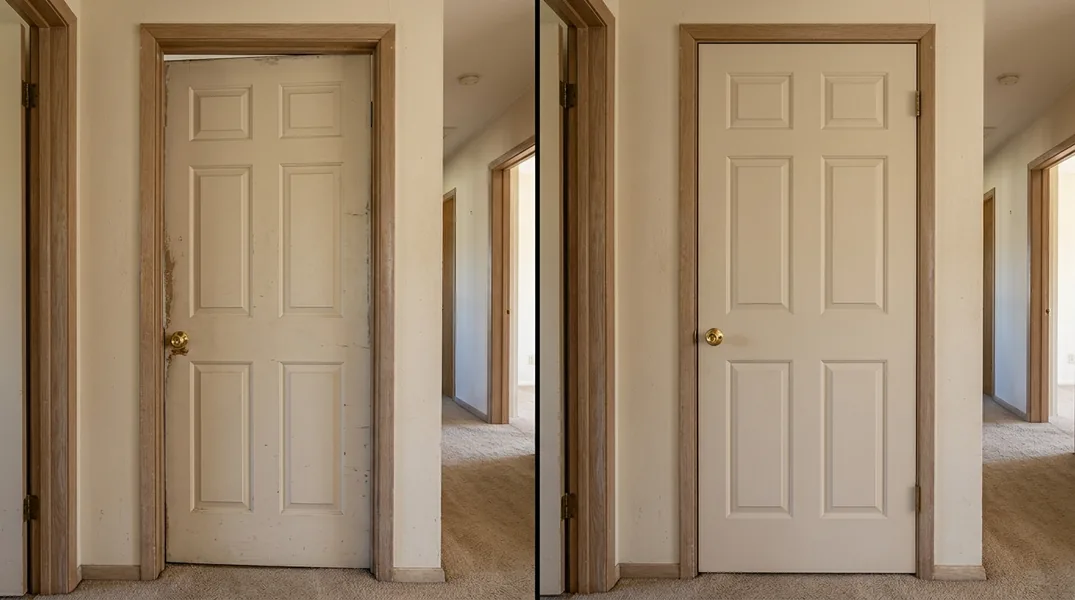
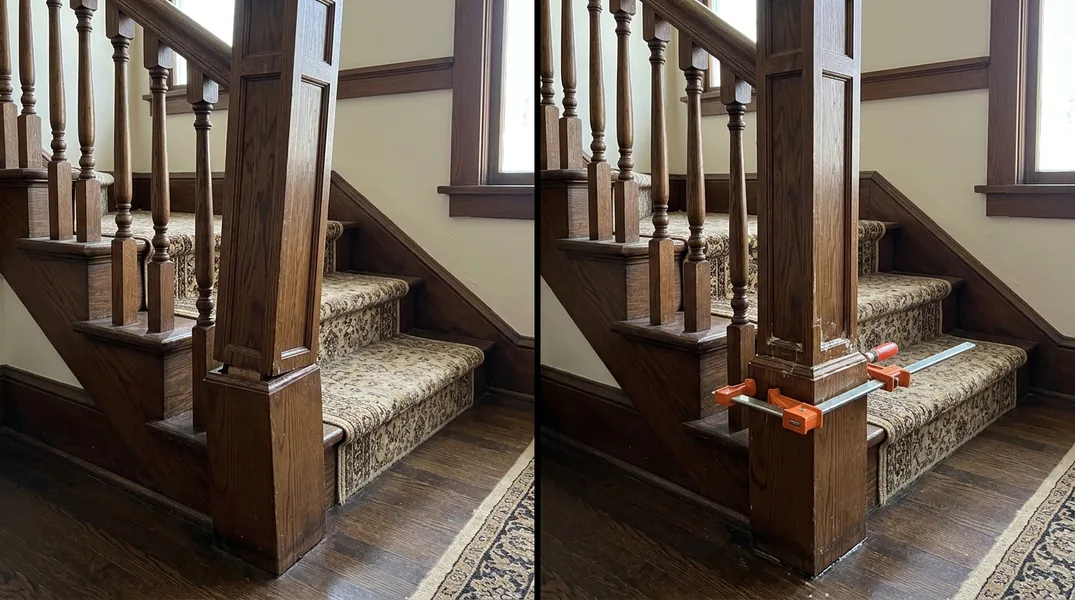
Interior door installation, cabinet and vanity installation, and stair and railing repair all benefit from understanding the original millwork and the geometry of the space. In a Craftsman bungalow or a Victorian, the finish work is what makes the house feel like home. We approach it that way.
Permits, Repair-or-Replace & What We Do Not Do
Permits and repair versus replacement are two separate questions, though they often come up together. In most jurisdictions, a permit is commonly required for structural work such as removing or altering a load-bearing wall, replacing beams or floor joists, and altering stairs or exterior decks. But requirements and thresholds vary by location. Always verify with your local building department before starting your project. We can help you understand what the work entails and what a permit process typically involves, but the permit itself is your responsibility to obtain from your city or county.
On the repair-or-replace question: if a member has lost significant section and cannot be reliably repaired, replacement is the honest answer. If a member is sound at its bearing points and the decay is localized, repair is often the right choice and the less expensive one. We quote both when both are real options, and we explain the difference in cost and longevity. We are fully insured and can help you document damage for an insurance claim, though we cannot promise coverage or speak to your deductible. Requirements vary, and building codes change. Always verify with the Sacramento building department before starting your project. Call us for a free inspection and estimate, and we will walk you through what the work requires.