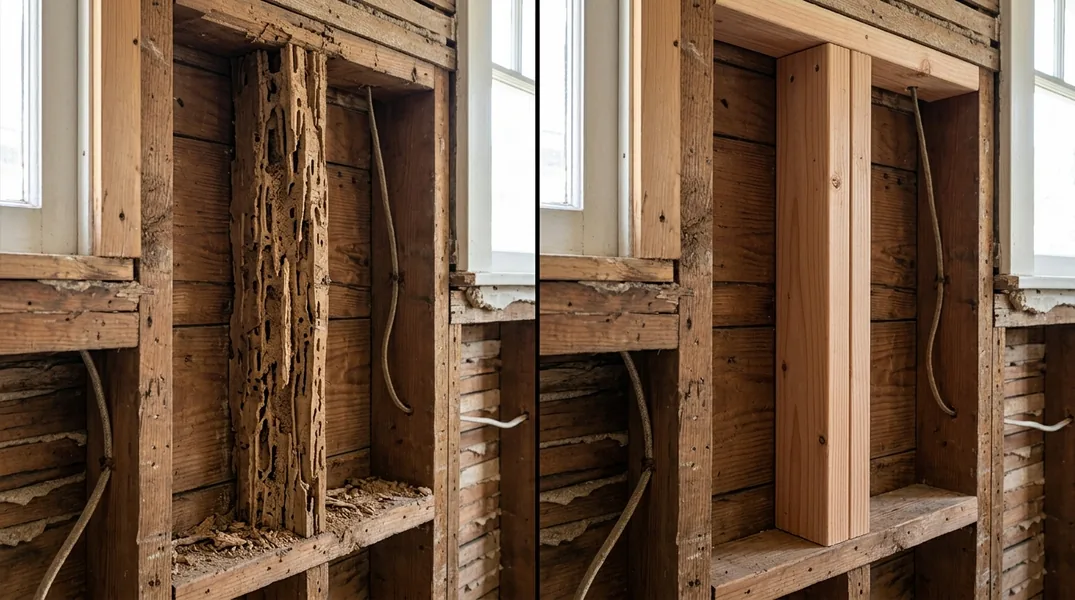
The Hard Truth: What Homeowners Insurance Actually Covers
One of the most frustrating discoveries a homeowner can make is learning that their insurance policy won't cover the very damage they assumed was protected. When it comes to termite damage, wood rot, and foundation problems, the reality is often disappointing. Most standard homeowners insurance policies explicitly exclude these types of damage, treating them as maintenance issues rather than sudden, accidental events.
Insurance companies view pest damage and rot as preventable problems that result from a lack of maintenance. From their perspective, if you had regular inspections and treated your home properly, these issues wouldn't occur. This distinction matters legally and financially. Your policy is designed to cover sudden, accidental damage like fire, theft, or storm damage. Gradual deterioration caused by insects, moisture, or settling is typically your responsibility as the homeowner.
Termite Damage Insurance: What You Need to Know
Termite damage is one of the most common exclusions in homeowners insurance policies across the United States, and Sacramento homeowners are no exception. Termites cause an estimated 5 billion dollars in damage annually, yet most standard policies won't cover a single penny of repairs. This means that if termites infest your home and destroy structural elements, the cost of Termite Damage Repair falls entirely on you.
The reason for this exclusion is straightforward: termite infestations are considered preventable through regular inspections and pest control treatments. Insurance companies argue that a responsible homeowner would catch signs of termites early and take action. If you're buying a home in Sacramento, a termite inspection is typically required by lenders, which further supports the insurance industry's position that this is a known, manageable risk.
Some specialized pest damage policies exist, but they're rare and expensive. Your best defense is prevention: annual termite inspections, maintaining proper drainage around your foundation, and addressing any signs of infestation immediately. If you do discover termite damage, the sooner you address it with professional Termite Damage Repair, the less structural damage will occur.
Is Wood Rot Covered by Homeowners Insurance?
Wood rot, including both wet rot and dry rot, is almost universally excluded from standard homeowners insurance policies. This exclusion exists because wood rot develops gradually as a result of moisture exposure and poor ventilation, both of which are considered maintenance issues. Insurance policies are designed to cover sudden, accidental damage, not the slow degradation that happens over months or years when moisture isn't properly controlled.
The distinction is important: if a tree falls on your roof during a storm and causes water intrusion that later leads to rot, the initial storm damage might be covered, but the subsequent rot damage typically would not be. This is why it's crucial to address water damage immediately after any weather event. The faster you dry out affected areas and repair the damage, the less likely rot will develop.
If you're dealing with Wood Rot & Dry Rot Repair, you'll almost certainly be paying out of pocket. However, catching the problem early makes a significant difference in repair costs. Early-stage rot affecting only surface wood is much less expensive to repair than rot that has penetrated structural elements like Floor Joist & Subfloor Repair or compromised load-bearing components.
Foundation Damage Insurance Claims: What Homeowners Should Expect
Foundation damage is another area where homeowners often face insurance disappointment. Most standard policies exclude foundation settling, cracking, and shifting because these issues are considered gradual and preventable through proper site drainage and maintenance. However, some specific scenarios might be covered, so it's worth understanding the nuances before assuming your policy won't help.
If your foundation damage results from a covered peril, such as an earthquake (if you have earthquake coverage) or a sudden event like a burst water pipe that undermines the foundation, there may be coverage. The key word is sudden. If your foundation has been slowly settling for years due to poor drainage or soil conditions, your insurer will likely deny the claim. This is why maintaining proper grading around your home and ensuring gutters and downspouts direct water away from the foundation is so important.
If you suspect foundation damage, document everything and contact your insurance company immediately. Provide photos, professional inspection reports, and a detailed timeline of when you first noticed the problem. Even if your claim is denied, having this documentation helps if you need to pursue other remedies or sell your home. For structural repairs like Beam Replacement & Load-Bearing Wall Removal, working with experienced professionals ensures the work meets building codes and protects your home's integrity.
How to Protect Your Home and Minimize Costs
Since insurance won't cover most wood rot, termite damage, and foundation issues, prevention and early detection are your best strategies. Start with regular home inspections, ideally annually or at least every two years. A professional inspector can identify moisture problems, early signs of pest activity, and foundation concerns before they become expensive repairs. Many homeowners find that the cost of an inspection pays for itself many times over by catching problems early.
Maintain proper drainage around your home by keeping gutters clean, ensuring downspouts extend at least four to six feet from the foundation, and grading soil so water slopes away from your home. Control indoor humidity by using exhaust fans in bathrooms and kitchens, ensuring your crawlspace or basement has adequate ventilation, and addressing any leaks immediately. These simple steps prevent the moisture conditions that lead to rot and attract termites.
If you do discover damage, don't delay. The longer wood rot progresses, the more structural elements it compromises, and the more expensive repairs become. Similarly, termite infestations spread quickly, so immediate professional treatment is essential. If you're in Sacramento and need expert assessment and repair, Sacramento Carpentry can provide a free estimate to understand your repair options and costs.
When to Call a Professional Near Me: Getting Expert Help in Sacramento
Recognizing when to call a professional is crucial for protecting your home. Signs that you need professional help include visible wood damage or discoloration, soft or spongy wood, mud tubes near your foundation (a sign of termites), unexplained foundation cracks, or musty odors in your home. These are all indicators that damage is already present and professional assessment is necessary.
Sacramento Carpentry specializes in diagnosing and repairing the structural damage caused by wood rot, termites, and foundation issues. Our team can evaluate the extent of damage, explain your repair options, and provide transparent pricing so you understand what to expect. Whether you need Wood Rot & Dry Rot Repair, Termite Damage Repair, or more extensive structural work, we're here to help restore your home to safe, sound condition. Contact us today at (916) 244-4930 or request a free estimate to get started.
Looking for a professional carpentry contractor in Sacramento? Sacramento Carpentry responds fast for all your carpentry needs.
Get a Free QuoteOur services: Wood Rot & Dry Rot Repair · Termite Damage Repair · Floor Joist & Subfloor Repair