Dry Rot vs Termite Damage: Why It Matters
If you own a home in Sacramento, you've probably heard warnings about both dry rot and termite damage. Both can compromise your home's structural integrity, but they require very different treatment approaches. Misidentifying the problem can lead to wasted time, money, and further deterioration of your property.
The confusion between dry rot and termite damage is understandable because they often produce similar-looking damage to wood. However, understanding the distinction is critical for getting the right repair solution. Dry rot is a fungal decay process that thrives in moist conditions, while termite damage comes from active insect infestation. Treating one condition with the approach meant for the other will not solve your problem and could allow the real threat to spread unchecked.
At Sacramento Carpentry, we've seen countless homeowners struggle with this distinction. That's why we're breaking down the key differences so you can identify what's actually threatening your home and take appropriate action.
What Does Wood Rot Look Like: Understanding Dry Rot Characteristics
Dry rot is a specific type of wood decay caused by fungi that consume the cellulose in wood fibers. Despite its name, dry rot actually requires moisture to develop, though it can spread to drier wood once established. Wood Rot & Dry Rot Repair begins when moisture levels in wood exceed 20 percent, creating the perfect environment for fungal growth.
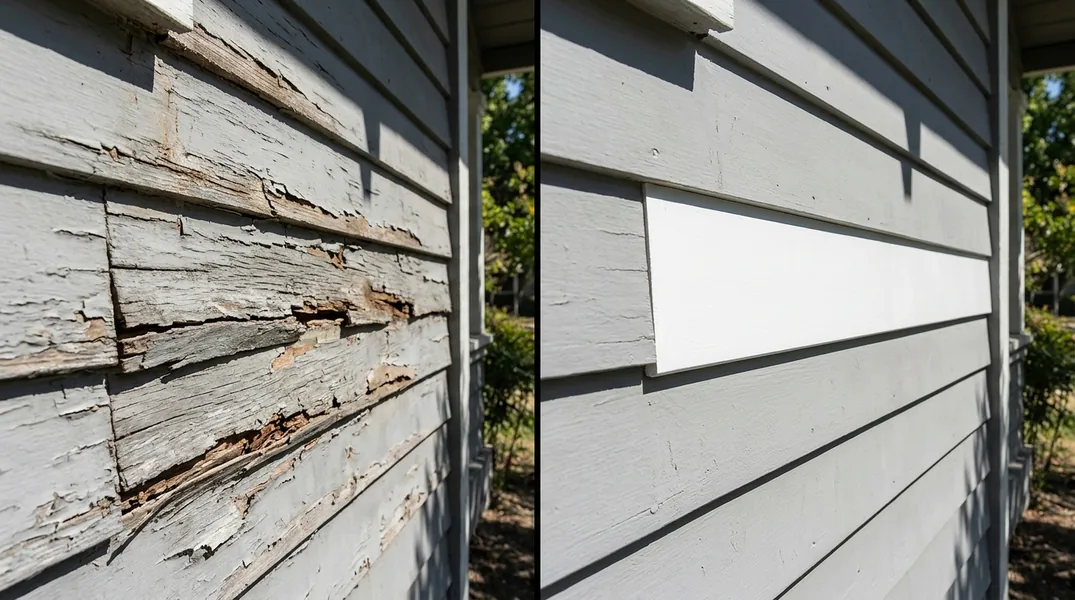
When examining what does wood rot look like, you'll typically notice wood that appears darkened, sometimes with a reddish or brownish hue. The affected wood becomes brittle and crumbly, often shrinking and developing deep cracks that form a distinctive cubic pattern. If you press a screwdriver or awl into rotted wood, it will penetrate easily because the wood has lost its structural density. You may also notice a musty odor around the affected area, which is the smell of active fungal growth.
Dry rot often appears in areas with poor ventilation or chronic moisture problems: basements, crawl spaces, around plumbing leaks, or near gutters that aren't functioning properly. The fungus spreads through the wood grain and can eventually produce fruiting bodies that look like white or gray cotton-like growths on the wood surface. If left untreated, dry rot will progressively weaken structural elements like floor joists, beams, and wall framing.
Signs of Termite Damage in Wood: What Termites Leave Behind
Termite damage presents very differently from dry rot, though homeowners often confuse the two. Termites are wood-eating insects that tunnel through wood following the grain, creating hollow galleries and weakening the structure from the inside out. The key difference is that termites actively consume wood as food, whereas fungi simply decompose it.
When inspecting for signs of termite damage in wood, look for wood that appears hollowed out or has a honeycomb-like interior. The surface may look intact or only slightly discolored, but when you tap on it, the wood will sound hollow. Termite galleries often follow the wood grain, creating a network of tunnels that run in straight lines. Unlike the cubic cracking pattern of dry rot, termite damage typically leaves the wood surface relatively smooth, though you may see mud tubes (shelter tubes made of soil and saliva) running along the outside of wood or foundation walls.
Another telltale sign of active termite infestation is the presence of mud tubes. Subterranean termites, which are the most common type in Sacramento, build these protective tubes to travel between the soil and the wood they're feeding on. You may also notice termite droppings, which look like tiny pellets or sawdust piles beneath damaged wood. Swarmers (winged termites) may appear in spring, which is a clear sign of an established colony nearby. Unlike dry rot, which develops silently, termite damage often indicates an ongoing infestation that requires immediate pest control intervention alongside structural repairs.
Key Differences: Moisture, Spread, and Treatment Approaches
Understanding the fundamental differences between dry rot and termite damage helps you understand why treatment varies so dramatically. Dry rot is purely a fungal issue driven by moisture; it spreads through spores and requires wet conditions to thrive. Termite damage, by contrast, is caused by living insects that actively feed on wood and can travel through soil, foundation cracks, and even through concrete to reach new wood sources.
Dry rot spreads slowly through wood fibers and typically remains localized to areas with persistent moisture problems. Once you eliminate the moisture source, you can stop the fungal growth. However, the wood that's already been compromised must be removed and replaced. Termite damage spreads based on colony activity and the availability of food sources. A termite colony can include hundreds of thousands of insects working continuously, which means the damage can spread much more rapidly than dry rot. Treating termite damage requires both pest elimination and structural repair, making it a more complex undertaking.
The treatment approach for each problem differs significantly. Dry rot repair focuses on identifying and eliminating moisture sources, removing affected wood, and replacing it with sound material. Termite damage repair requires coordination with a pest control professional to eliminate the colony, followed by structural repairs. This is why proper identification is so crucial. Treating a termite problem as if it were dry rot (or vice versa) will leave you with an unresolved issue and continued structural deterioration.
Wood Rot & Dry Rot Repair Near Me: When to Call Sacramento Carpentry
If you've identified potential dry rot or termite damage in your Sacramento home, professional assessment is essential. While some homeowners attempt DIY inspections, accurately diagnosing the problem and determining the extent of damage requires trained eyes and experience. Sacramento Carpentry specializes in identifying and repairing both Wood Rot & Dry Rot Repair as well as Termite Damage Repair.
Our team can determine exactly what you're dealing with, assess the damage severity, and recommend the most cost-effective repair strategy. For dry rot situations, we identify moisture sources, remove compromised wood, and install proper replacements. For termite damage, we work alongside pest control professionals to ensure the infestation is eliminated before we begin structural repairs. We also handle more complex repairs like Floor Joist & Subfloor Repair and Beam Replacement & Load-Bearing Wall Removal when structural elements are severely compromised.
Don't wait for damage to worsen. Contact Sacramento Carpentry today for a free estimate or call us at (916) 244-4930 to discuss your concerns. Early intervention can save you thousands of dollars in repairs and prevent safety hazards in your home.
Taking Action: Your Next Steps
If you suspect either dry rot or termite damage in your home, start by documenting what you've observed. Take photos of discolored wood, hollow areas, mud tubes, or any other suspicious signs. Note the locations and whether you've noticed any moisture problems in those areas. This information will be invaluable when you speak with a professional carpenter.
The next step is to schedule a professional inspection. Sacramento Carpentry offers comprehensive evaluations that pinpoint the exact nature of your wood damage and provide a clear repair plan. We'll explain what we find in straightforward terms and discuss your repair options and pricing before any work begins. Whether you're dealing with dry rot, termite damage, or uncertain which problem you have, we're here to help restore your home's structural integrity. Reach out to us at (916) 244-4930 or visit our website to request your free estimate today.
Looking for a professional carpentry contractor in Sacramento? Sacramento Carpentry responds fast for all your carpentry needs.
Get a Free QuoteOur services: Wood Rot & Dry Rot Repair · Termite Damage Repair · Floor Joist & Subfloor Repair